How to Build a Balanced Vegetarian Lunchbox for Work: A Step-by-Step Guide
Somewhere around Wednesday, the work lunch starts to feel like a chore. The sandwich is soggy, the salad is limp, and by three o'clock you are opening drawers looking for something, anything. A vegetarian lunchbox can do better than that — not with clever gadgets or a dozen tiny containers, but with a structure you can repeat without thinking. Once you know what a balanced lunch actually needs, packing one takes about ten minutes and keeps you steady through the afternoon.
Start With a Structure, Not a Recipe
Think of your lunchbox as four jobs to fill: protein, fiber, fat, and something fresh or tangy. When all four are present, lunch feels like a meal instead of a snack you eat twice. A useful visual is to fill half the box with vegetables, a quarter with protein, a quarter with whole grains or starchy vegetables, then add a spoonful of fat and a bright finish.
- Protein: lentils, chickpeas, black beans, tofu, tempeh, paneer, cottage cheese, Greek yogurt, edamame, or two boiled eggs if you eat them.
- Fiber: roasted or raw vegetables, leafy greens, broccoli, cabbage slaw, or a handful of beans in addition to your protein portion.
- Whole grains: farro, barley, brown rice, quinoa, whole-wheat pita, or whole-grain pasta.
- Fat: olive oil, tahini, avocado, nuts, seeds, olives, or a little feta.
- Something bright: lemon juice, vinegar, pickled onions, fresh herbs, or a spoon of chili crisp.
You do not need every item every day. But when a lunchbox leaves you hungry an hour later, one of these four is usually missing.
Choose a Protein That Pulls Its Weight
Protein is the piece vegetarian lunches most often skip. A salad with chickpeas and a sprinkle of seeds is fine; the same salad with a full cup of chickpeas is a lunch that holds. Aim for roughly 15 to 25 grams per lunch, and get it from more than one source — beans plus cheese, tofu plus edamame, yogurt plus nuts.
Make it easy on yourself. Cook a pot of lentils or a tray of marinated tofu on the weekend and portion it into containers. Keep a bag of frozen shelled edamame in the freezer; it thaws in a lunchbox by noon. Rinse canned beans well and keep two varieties on hand. These small habits remove the excuse that there is "nothing to pack."
Textures That Survive Until Noon
Soft proteins get dull fast. Add crunch with toasted seeds, chopped nuts, raw cabbage, cucumber, or a few crackers on the side. A lunch you enjoy eating is one you will actually eat.
Fiber Is Where Satisfaction Comes From
Fiber slows everything down, which is exactly what you want at 2 p.m. Whole grains, beans, and vegetables do the work, but the trick is volume and variety. A cup of roasted cauliflower, a handful of shredded carrot, and a scoop of barley in the same box looks generous and eats slowly.
Try to include at least two vegetables, and vary the color and texture. Raw and cooked together is better than either alone: roasted zucchini next to snap peas, or warm roasted peppers next to cold cucumber. If greens tend to wilt, pack them at the top and dress them at the office.
Healthy Fats Carry the Flavor
Fat is what makes a lunchbox taste like food rather than fuel, and it helps your body absorb fat-soluble vitamins from all those vegetables. A tahini-lemon dressing, a drizzle of olive oil, half an avocado, a small handful of walnuts, or a few olives will do it.
The practical move is to keep two dressings or sauces ready in jars. A lemon-tahini sauce and a mustard vinaigrette cover most combinations and take five minutes to mix. Pack dressing separately so nothing turns to mush in transit.
The Make-Ahead Routine
You do not need to assemble five identical boxes. Prep components, then combine them in the morning or the night before.
- Cook one grain. Farro, barley, or brown rice — enough for three or four lunches.
- Roast one tray of vegetables. Whatever is in the fridge, cut into similar sizes, tossed with oil, salt, and pepper.
- Prepare one protein. Lentils, baked tofu, marinated tempeh, or hard-boiled eggs.
- Mix two sauces. One creamy, one sharp.
- Pack in components, not finished dishes. Wet items at the bottom, grains in the middle, crunchy things on top, dressing in a small jar.
Keep perishable food cold with an ice pack, reheat leftovers until steaming hot, and refrigerate anything you do not eat within about two hours. If you have a medical condition or specific dietary needs, check with a doctor or registered dietitian about what fits your situation.
Five Lunchboxes Worth Repeating
- Farro with roasted peppers, chickpeas, feta, and lemon vinaigrette.
- Brown rice with baked tofu, steamed broccoli, and a tahini drizzle.
- Whole-wheat pita with hummus, grated carrot, cucumber, and olives.
- Barley salad with white beans, cherry tomatoes, parsley, and olive oil.
- Cottage cheese or Greek yogurt with edamame, whole-grain crackers, and raw vegetables.
When Lunch Goes Wrong
Soggy box: pack wet ingredients separately, or line the bottom with grains and greens rather than dressing-soaked vegetables. Hungry by two: add protein and fat, not more carbs. Bored by Friday: rotate the sauce, not the whole recipe — the same grain and vegetable with a different dressing feels new. No time: prepare components, not meals, and accept that a container of lentils, a bag of carrots, and a tub of yogurt counts.
Your First Balanced Lunchbox
Start with tomorrow. Scoop a cup of cooked grain into a container, add a generous portion of beans, lentils, or tofu, pile in two vegetables, and tuck a small jar of dressing on the side. Add a piece of fruit and a handful of nuts, and you are done. Build the same box two or three days running, then change one thing at a time until it fits your appetite and your schedule. A good lunchbox is not a perfect one — it is the one you pack again next week.
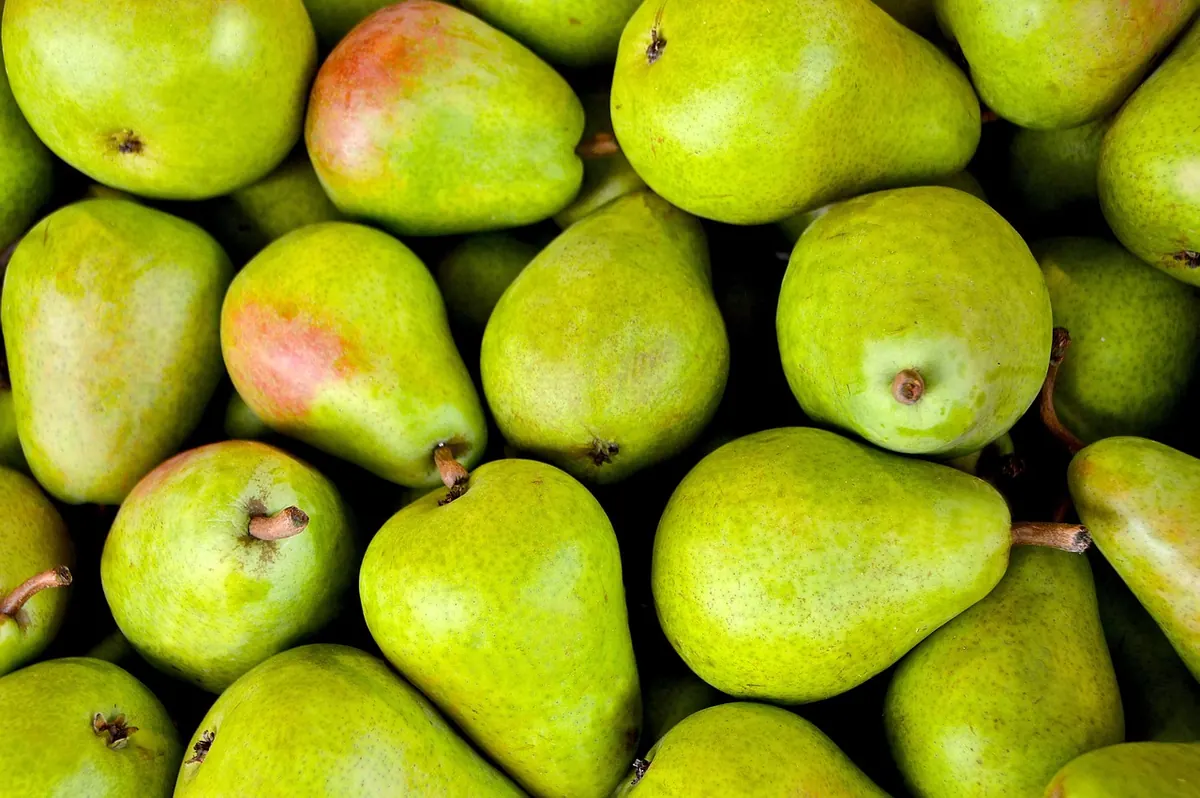
Photo: PIRO4D / Pixabay

Self-Care for Desk Workers: 8 Stretches and Habits to Reset Your Day
Five quick desk stretches and three daily habits that ease tension, rest tired eyes, and clear mental fog...

What Is Mindful Eating? A Simple Explainer for Beginners
Mindful eating is simply paying attention to your food and your body while you eat. Here's how the...
About Us